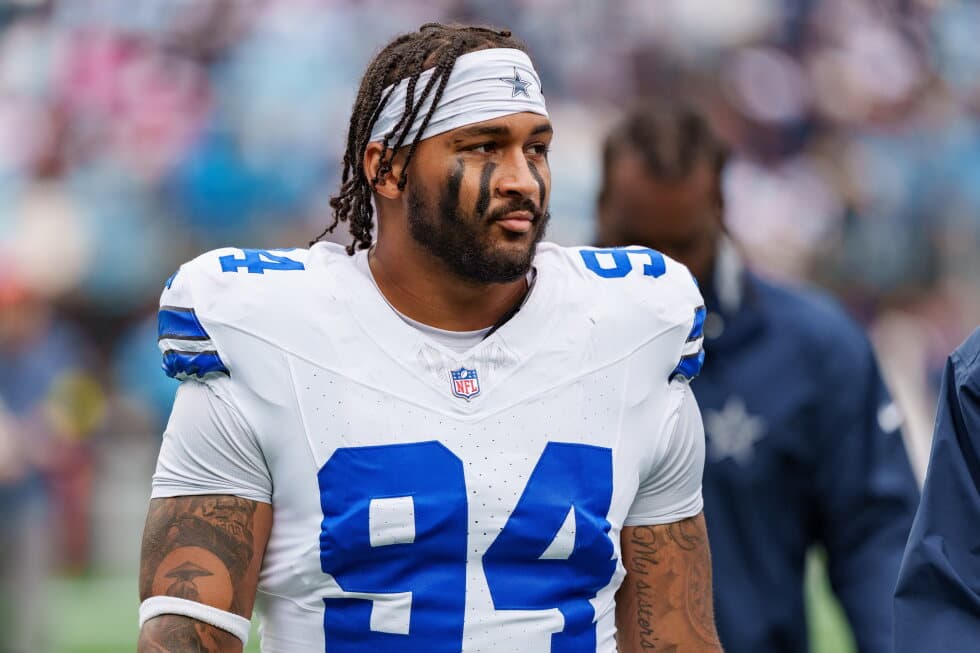
Former Dallas Cowboys defensive end Marshawn Kneeland had early-stage chronic traumatic encephalopathy (CTE) at the time of his death. Kneeland, who was known for his powerful presence on the field, took his own life following a high-speed chase with police in November 2025.
Details Surrounding Kneeland's Death
The incident that led to Kneeland's tragic death began with a police pursuit that ended in a confrontation. The circumstances surrounding the chase have raised questions about the mental health challenges faced by former athletes, particularly those who have experienced repeated head trauma during their careers. Kneeland's case highlights the growing concern regarding CTE, a degenerative brain disease commonly found in individuals with a history of head injuries.
CTE is associated with symptoms such as mood swings, memory loss, and behavioral changes, which can severely impact an individual's quality of life. The condition has been a focal point of discussion in recent years, particularly in the context of professional football, where players are at a higher risk due to the nature of the sport. Kneeland's diagnosis posthumously emphasizes the need for increased awareness and understanding of CTE among athletes and the broader community.
Legacy of CTE Awareness
The revelation of Kneeland's CTE diagnosis serves as a reminder of the long-term effects of concussions and head injuries in sports. As more former players come forward with similar diagnoses, there is a growing push for improved safety protocols and better mental health support for athletes at all levels. The NFL and other sports organizations are under pressure to address these issues more effectively to protect current and future players.
Kneeland's legacy may contribute to a greater understanding of the risks associated with football and the importance of mental health care for athletes. His story underscores the necessity for ongoing research into CTE and the implementation of preventive measures to safeguard the well-being of players both during and after their athletic careers.