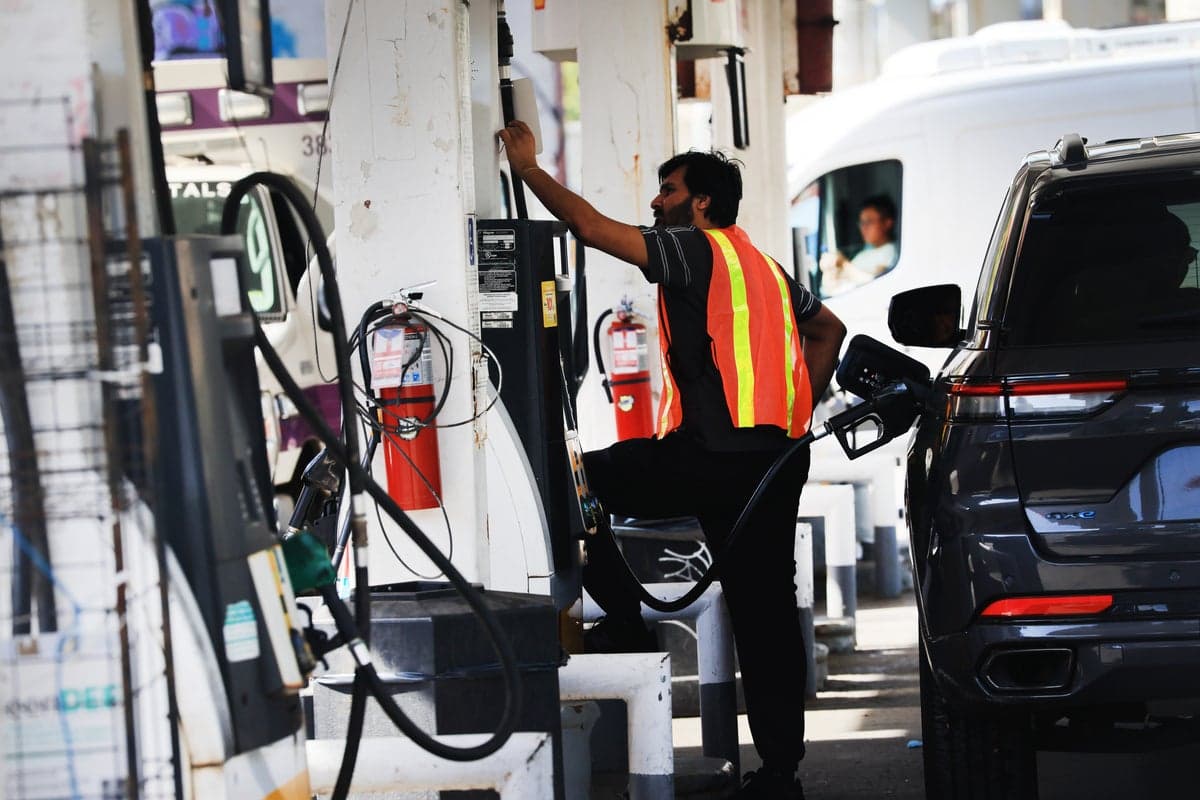
Gas stations across America are facing a unique challenge as fuel prices continue to rise, with many locations now maxing out their price displays at $9.999 per gallon. This limitation is due to the standard four-digit display screens commonly used at gas stations, which are not designed to accommodate prices exceeding ten dollars per gallon.
The trend of gas prices approaching the $10 mark has become increasingly prevalent in recent months, prompting station owners to adapt their pricing strategies. With the average cost of gasoline fluctuating dramatically, many stations are now unable to reflect the actual price at the pump, leading to potential confusion among consumers.
Impact on Consumers and Stations
For consumers, the inability to display prices beyond $9.999 raises questions about the actual cost of fuel. Drivers may be left guessing the true price per gallon or may assume that the price is significantly lower than it actually is. This situation could lead to frustration and dissatisfaction, particularly for those who are budget-conscious and rely on accurate pricing information.
Gas station owners are also navigating the implications of this pricing cap. Some have reported considering upgrades to their display systems to accommodate higher prices, while others are exploring alternative solutions to ensure transparency with customers. As the market continues to evolve, the industry may need to rethink the technology used at fuel stations to better align with current economic conditions.
Future of Gas Prices
The rising prices of gasoline have been attributed to various factors, including supply chain disruptions and increased demand. As the situation develops, it remains to be seen how gas stations will adapt to these changes and whether prices will stabilize or continue to climb. For now, the challenge of displaying prices accurately remains a pressing issue for both consumers and gas station operators alike.