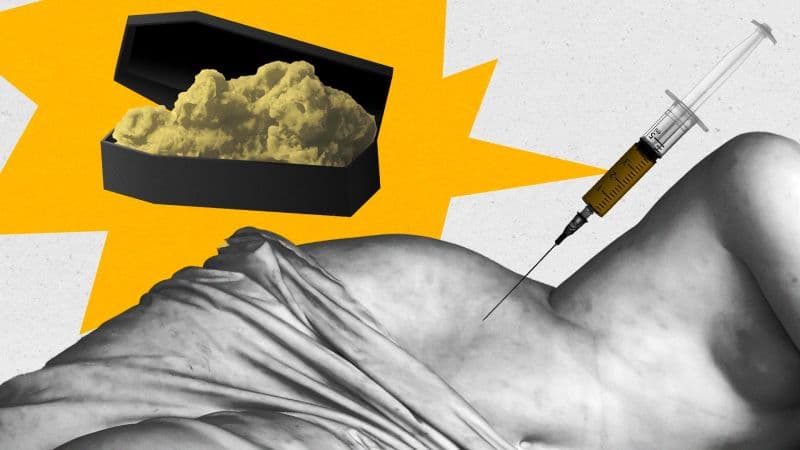
Recent advancements in weight loss treatments have sparked discussions around innovative methods, including the use of cadaver fat injections. This emerging trend is gaining attention as more individuals seek effective solutions for weight management and body sculpting.
Exploring New Avenues in Weight Loss
As the popularity of GLP-1 medications, known for their effectiveness in promoting weight loss, continues to rise, researchers and medical professionals are exploring alternative methods. One such method is the injection of cadaver fat, which aims to provide a different approach to body contouring. This technique involves utilizing adipose tissue from deceased donors, raising ethical questions and varying opinions about its acceptance in society.
Proponents of cadaver fat injections argue that this method can offer a more natural solution for body shaping compared to synthetic fillers. They highlight the potential benefits of using human tissue, which may integrate more seamlessly with the recipient's body, potentially leading to more satisfactory results. However, the concept of using cadaver-derived materials brings forth significant ethical considerations, particularly concerning consent and the sanctity of human remains.
Public Perception and Ethical Considerations
The acceptance of cadaver fat injections largely hinges on individual beliefs about death and the use of human tissue for cosmetic purposes. Some individuals may find the idea appealing, viewing it as a way to repurpose tissue that would otherwise go to waste. Others may feel uncomfortable with the concept, viewing it as a violation of the deceased's dignity.
As this new trend develops, medical professionals emphasize the importance of transparency and ethical practices in the use of cadaver fat. Ensuring that donors and their families have provided informed consent is crucial in maintaining public trust and addressing concerns surrounding this innovative method. As the conversation around weight loss and body image continues to evolve, the introduction of cadaver fat injections may play a significant role in shaping future treatments.