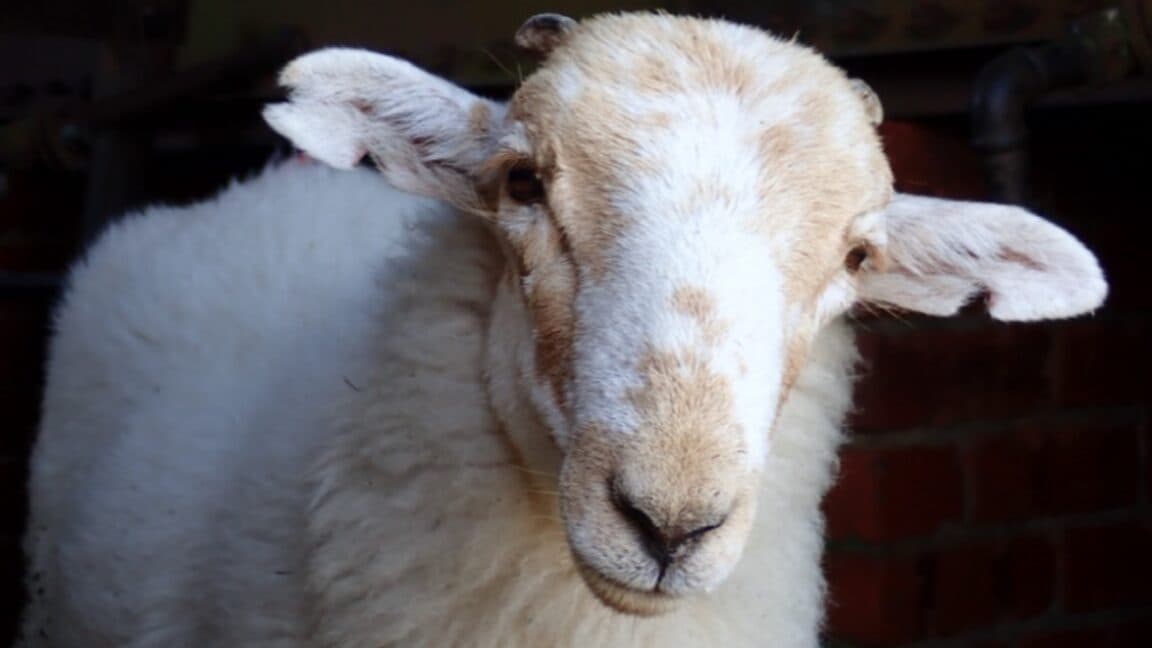
Recent studies have revealed that medieval manuscripts may serve as "biological time capsules" containing genetic traces of the deadly sheeppox virus. Researchers are exploring the potential of these historical documents to provide insights into past disease outbreaks and their impact on livestock populations, particularly sheep, during the medieval period.
Historical Significance of Manuscripts
The significance of these manuscripts extends beyond their literary value; they may hold crucial information regarding the evolution and spread of infectious diseases. As scientists analyze the genetic material preserved within the texts, they are uncovering a wealth of information that could reshape our understanding of how diseases affected agricultural practices and economies in the past.
Experts believe that other archives and libraries around the world may also contain similar genetic remnants of past outbreaks. This opens a new avenue for research in historical epidemiology, allowing scientists to piece together the history of infectious diseases and their effects on human and animal populations through the ages.
Implications for Modern Science
The findings related to the sheeppox virus not only highlight the importance of historical records but also underscore the potential for these ancient documents to inform modern science. Understanding how diseases evolved and spread in the past can provide valuable lessons for current public health strategies and agricultural practices. As researchers continue to delve into these medieval texts, they hope to unlock further secrets that could aid in preventing future outbreaks.
As the research progresses, the intersection of history, biology, and epidemiology is becoming increasingly clear, demonstrating that the past can offer critical insights into contemporary challenges. The exploration of these "biological time capsules" may ultimately lead to a deeper understanding of disease dynamics and inform efforts to safeguard livestock and public health today.