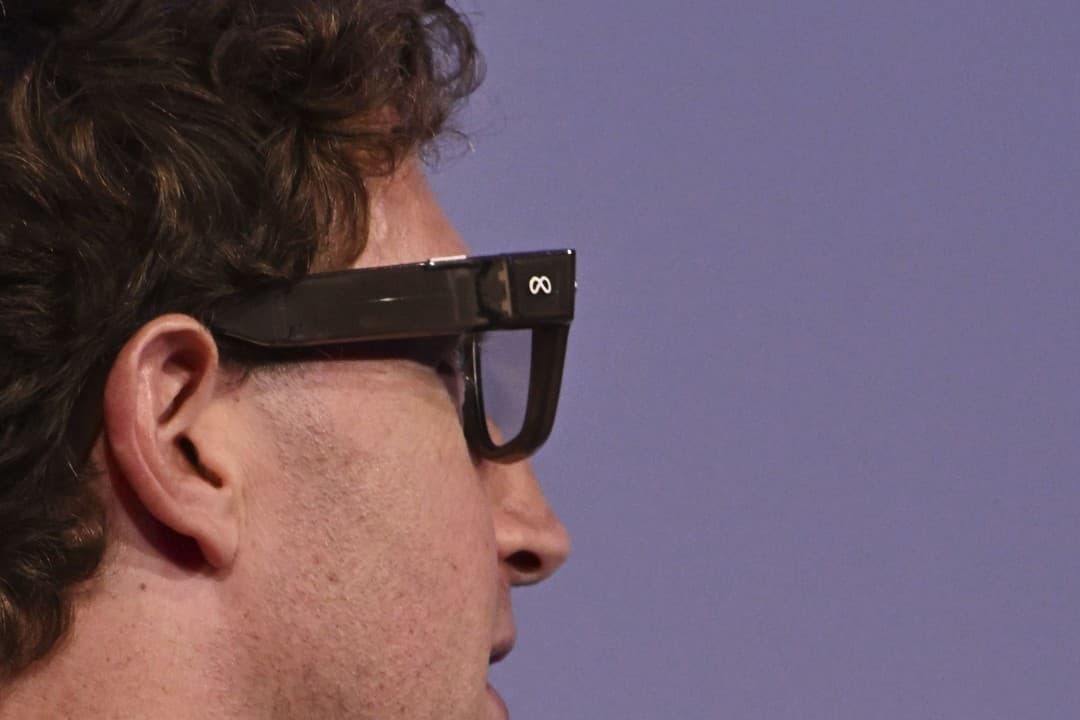
Smart glasses are becoming increasingly sophisticated, but their reputation is reportedly suffering amid growing online criticism. The latest reports indicate that while technology companies continue to enhance the capabilities of these devices, public perception is turning negative.
Concerns Over Privacy and Functionality
Critics have raised concerns regarding the privacy implications of smart glasses, particularly in public spaces. Users worry that the devices, which often come equipped with cameras and microphones, could infringe on personal privacy. Instances of unauthorized recording and surveillance have fueled these fears, leading to a backlash against the technology.
Moreover, functionality issues have also contributed to the negative sentiment surrounding smart glasses. Users have reported various operational challenges, such as connectivity problems and battery life limitations. These technical drawbacks have left some consumers questioning the practicality of integrating smart glasses into their daily lives.
Impact on Adoption Rates
The combination of privacy concerns and functionality issues is affecting the adoption rates of smart glasses. As potential users express their hesitations online, manufacturers may face challenges in convincing the public of the benefits of these devices. The growing reputation of smart glasses as a controversial technology could hinder their acceptance in the mainstream market.
As the industry moves forward, addressing these concerns will be critical for manufacturers aiming to improve the public perception of smart glasses. The ongoing dialogue surrounding privacy and usability will likely shape the future development of this technology.