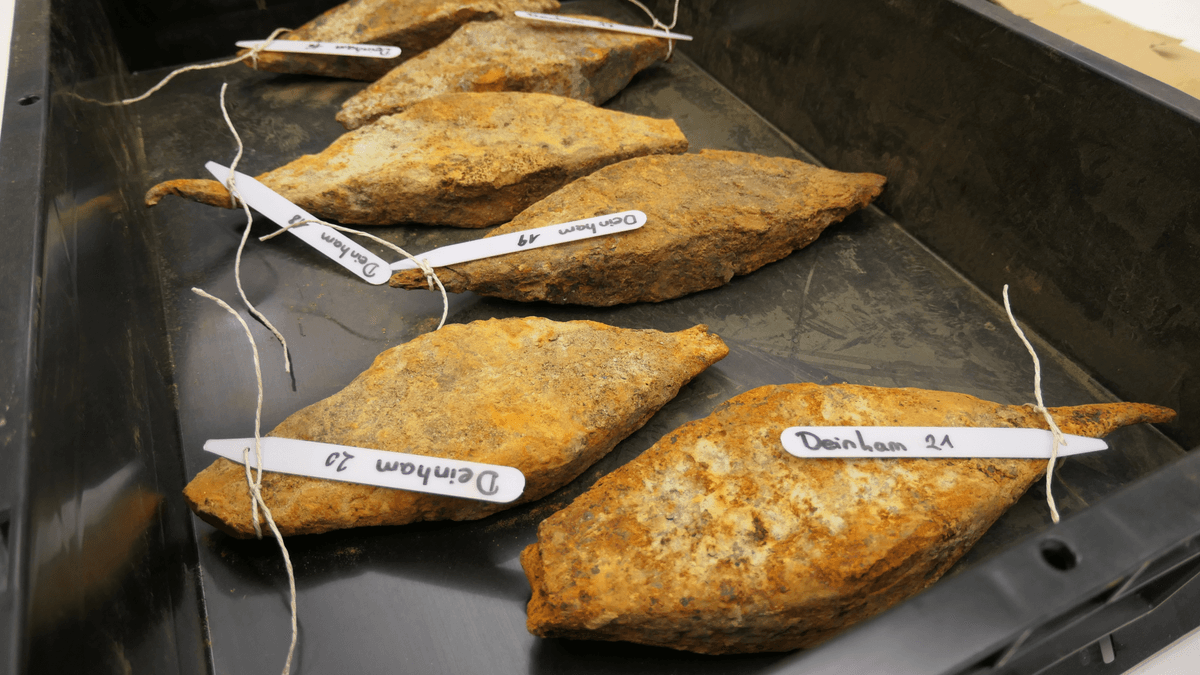
Archaeologists in Austria have made a remarkable discovery in the Danube River, unearthing a collection of 500 iron bars that date back approximately 2,200 years. This find, described by researchers as "nothing short of a minor miracle," is believed to have originated from a shipwreck, providing a rare glimpse into ancient trade practices and military logistics.
Significance of the Discovery
The iron bars, which could potentially be used to equip an entire army with weapons, highlight the advanced metallurgical skills of the time. Experts suggest that these bars were likely part of a cargo destined for military purposes, reflecting the strategic importance of the Danube as a trade route in ancient times. The preservation of such artifacts allows historians to piece together the economic and social structures of early civilizations.
This significant find not only sheds light on the historical context of the region but also raises questions about the circumstances surrounding the shipwreck. Researchers are eager to explore the implications of this discovery on our understanding of ancient maritime trade and warfare.
Future Research Directions
As the analysis of the iron bars continues, archaeologists plan to investigate the broader archaeological site to uncover more artifacts that may provide additional insights into the era. The research team is optimistic that further excavations will reveal more about the ship and its cargo, potentially leading to a deeper understanding of the cultural exchanges that took place along the Danube.
This discovery underscores the importance of ongoing archaeological efforts in the region, as each find contributes to the narrative of human history. The iron bars serve not only as a tangible connection to the past but also as a reminder of the enduring legacy of ancient civilizations.