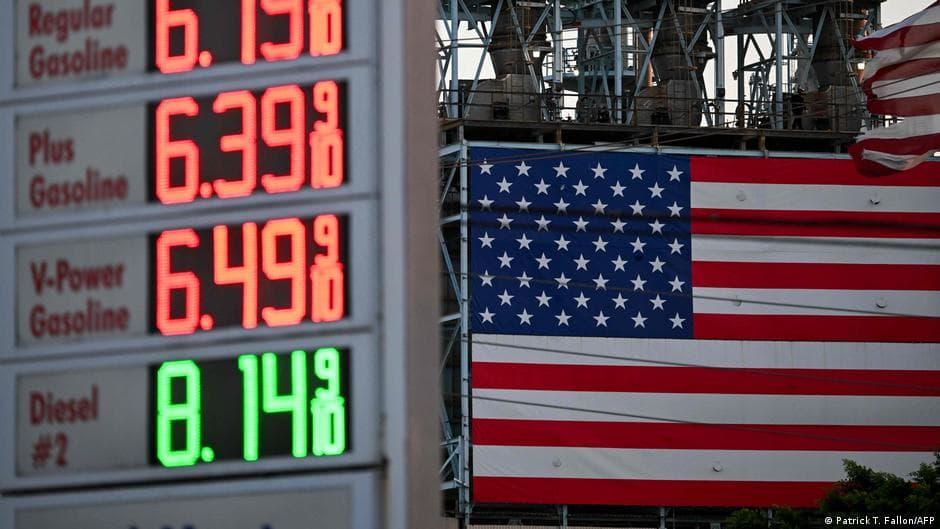
In a significant shift following the midterm elections, the Democratic Party's victory has raised questions about the future direction of the U.S. economy. With a focus on high oil prices, tariffs, and mounting national debt, the results signal a potential change in economic policy that could affect various sectors across the country.
Impact on Economic Policy
The Democrats' win is expected to influence key economic policies, particularly in areas that have seen mounting public concern. High oil prices have been a major issue for consumers and businesses alike, and the new leadership may prioritize measures to address energy costs and promote alternative energy sources. This shift could lead to initiatives aimed at reducing dependency on fossil fuels and investing in renewable energy technologies.
Additionally, the Democratic leadership may reassess existing tariffs that have impacted trade relationships and consumer prices. The previous administration's trade policies have faced criticism for contributing to increased costs for American families. A reevaluation of these tariffs could provide relief and foster better trade relations with key partners.
Addressing National Debt
Another pressing concern that emerged during the election cycle is the national debt, which has reached alarming levels. The Democrats are likely to focus on strategies to manage and reduce this debt while balancing the need for economic growth. This could involve a combination of spending cuts and increased revenue through taxation, particularly targeting higher earners and corporations.
As the new administration prepares to take office, the economic landscape remains uncertain. The combination of high oil prices, potential changes in trade policy, and the need to address the national debt will require careful navigation. The Democratic Party's approach to these challenges will be closely watched, as it has the potential to reshape the economic future of the United States.