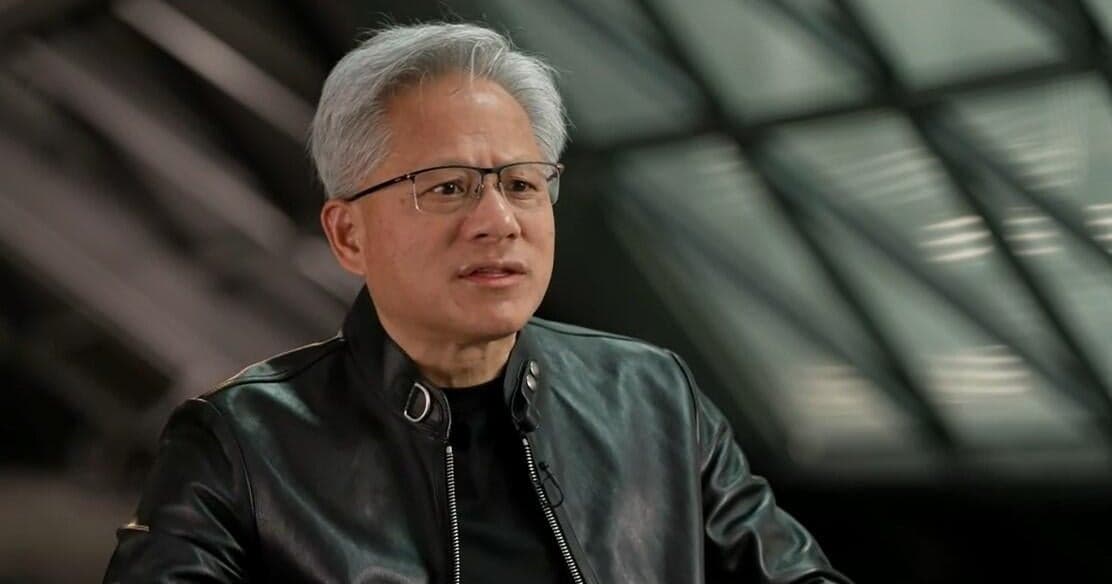
Nvidia CEO Urges Rapid AI Development Amid Industry Concerns
The CEO of Nvidia, Jensen Huang, has called for accelerated development of artificial intelligence (AI), stating that technology companies should continue advancing in this field despite recent warnings from various industry leaders regarding potential risks. Huang's remarks highlight the ongoing debate within the tech community about the balance between innovation and safety as AI technologies evolve rapidly.
During a recent discussion, Huang emphasized the importance of pushing forward with AI advancements, suggesting that the potential benefits of these technologies far outweigh the risks. He acknowledged the concerns raised by some experts, who have cautioned that unchecked AI development could lead to unforeseen consequences. However, Huang believes that the urgency of progress should not be sidelined by fear, and that responsible development practices can mitigate risks.
Balancing Innovation and Safety
The call for rapid AI development comes at a time when many tech leaders are expressing apprehensions about the implications of AI on society. Issues such as job displacement, privacy violations, and ethical considerations have been central to the discussions surrounding AI technology. Huang's position reflects a growing divide in the tech industry between those advocating for cautious advancement and those pushing for immediate innovation.
As the world's largest chipmaker, Nvidia plays a pivotal role in the AI landscape, providing the necessary hardware that powers many AI applications. Huang's leadership in this arena positions him as a key figure in shaping the future of AI technology. His comments are likely to resonate with other tech executives who are eager to harness the potential of AI while navigating the complexities of its impact on society.
In conclusion, Huang's call to action underscores the critical need for the tech industry to find a balance between rapid innovation and responsible development. As AI continues to permeate various sectors, the dialogue surrounding its implications will remain essential in guiding the future trajectory of this transformative technology.