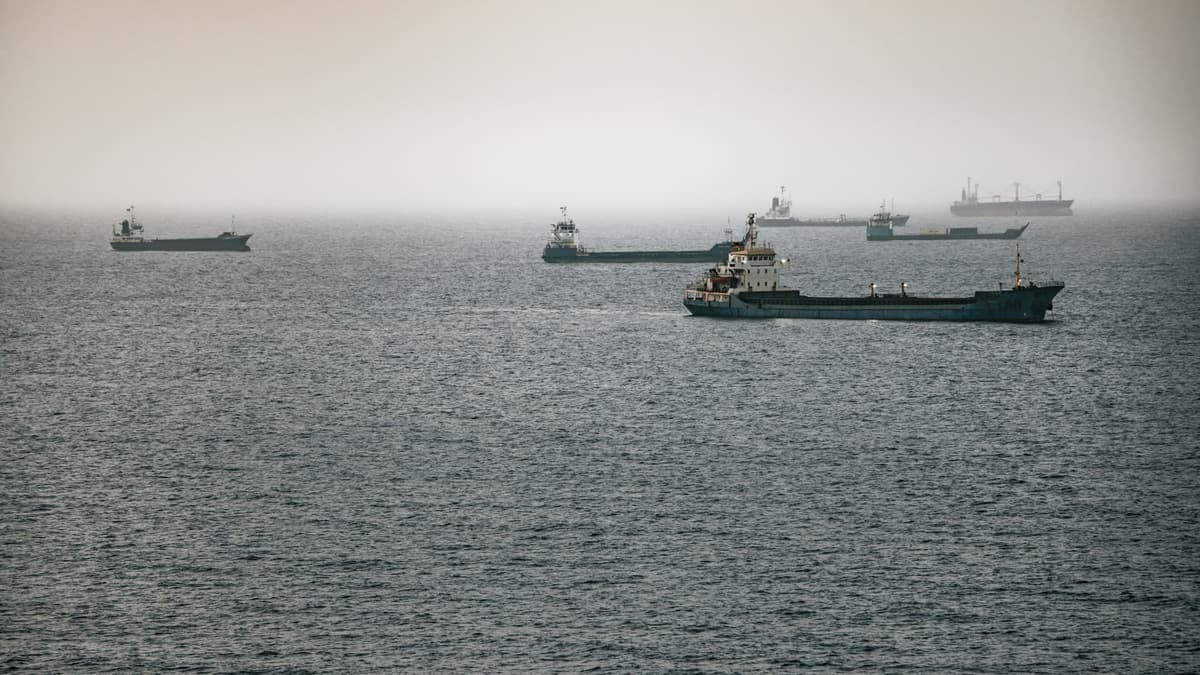
Oil prices have surged amid escalating tensions between the U.S. and Iran over control of the strategically vital Strait of Hormuz. The two nations have engaged in a series of confrontations, leading to a dispute concerning the accessibility of the waterway for shipping traffic. This development comes in the wake of trading strikes that occurred over the weekend, further heightening concerns in global oil markets.
Impact on Global Oil Markets
The Strait of Hormuz is a crucial passage for oil shipments, with a significant percentage of the world's oil supply passing through it. The recent military actions and the subsequent dispute over the strait's status have prompted traders to react swiftly, resulting in a noticeable increase in oil prices. Analysts are closely monitoring the situation, as any disruption in this key maritime route could have far-reaching implications for global energy supplies and prices.
Market experts suggest that the ongoing conflict could lead to further volatility in oil prices, as uncertainty surrounding the security of shipping routes continues to grow. The potential for increased military engagement in the region raises alarms about the stability of oil supply chains, prompting investors to adjust their strategies accordingly.
Future Outlook
As tensions between the U.S. and Iran persist, stakeholders in the oil market are left grappling with the unpredictability of the situation. The outcome of the current dispute could set the tone for future interactions in the region, influencing not only oil prices but also broader geopolitical dynamics. Observers are urging caution, as the potential for escalation remains a significant concern, with implications that could extend beyond the immediate area.
In the meantime, consumers and businesses alike are advised to prepare for the possibility of fluctuating fuel prices as the situation develops. The global oil market remains sensitive to geopolitical events, and the ongoing conflict in the Strait of Hormuz is a stark reminder of the interconnectedness of energy security and international relations.