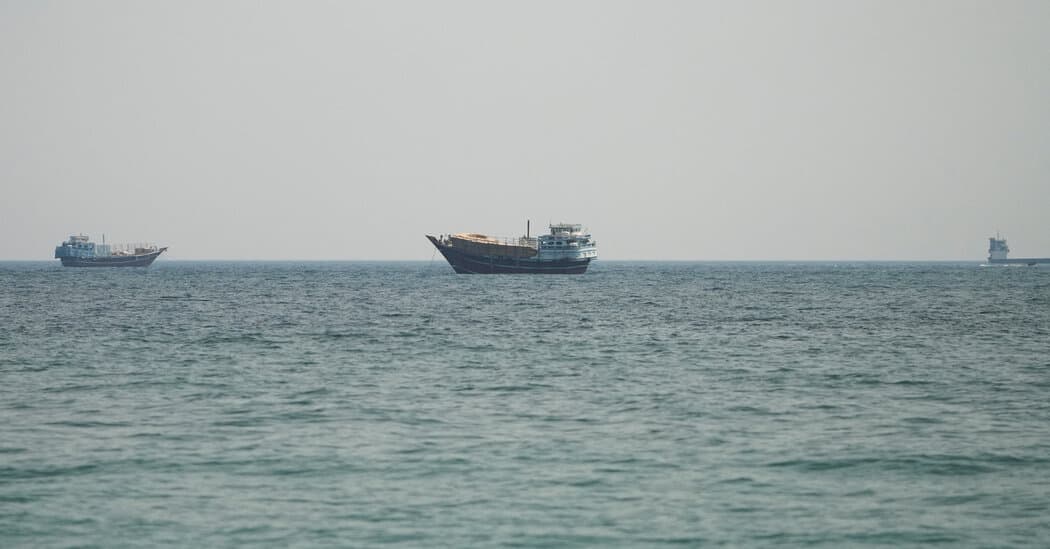
Oil prices experienced an increase following a weekend marked by a series of strikes exchanged between the United States and Iran. The renewed hostilities have raised concerns about the safety of maritime navigation in the strategically significant Strait of Hormuz, a vital passage for global oil shipments.
The ongoing tensions in the region have prompted traders to closely monitor developments, as the Strait of Hormuz is a critical chokepoint through which a significant portion of the world's oil supply is transported. Any disruptions in this area can lead to fluctuations in oil prices and raise fears of supply shortages.
Impact on Oil Markets
Market analysts have noted that the escalation of military actions in the region could lead to heightened volatility in oil markets. As the U.S. and Iran continue their back-and-forth exchanges, concerns about potential attacks on shipping vessels have intensified, prompting traders to adjust their positions accordingly.
In recent months, geopolitical tensions have been a driving force behind oil price movements. The situation in the Middle East remains fluid, with potential implications for both regional stability and global energy markets. Investors are urged to remain vigilant as the situation develops, given the unpredictable nature of conflicts in this area.
Broader Implications
The rise in oil prices due to these renewed hostilities may have broader economic implications, affecting not only energy markets but also the global economy. Increased oil prices can lead to higher transportation and production costs, which may ultimately be passed on to consumers.
As the situation unfolds, stakeholders in the energy sector will be watching closely for any further developments that could impact supply routes and pricing. The international community is also likely to respond to the heightened tensions, as diplomatic efforts may be necessary to de-escalate the conflict and ensure the safety of maritime navigation in the region.