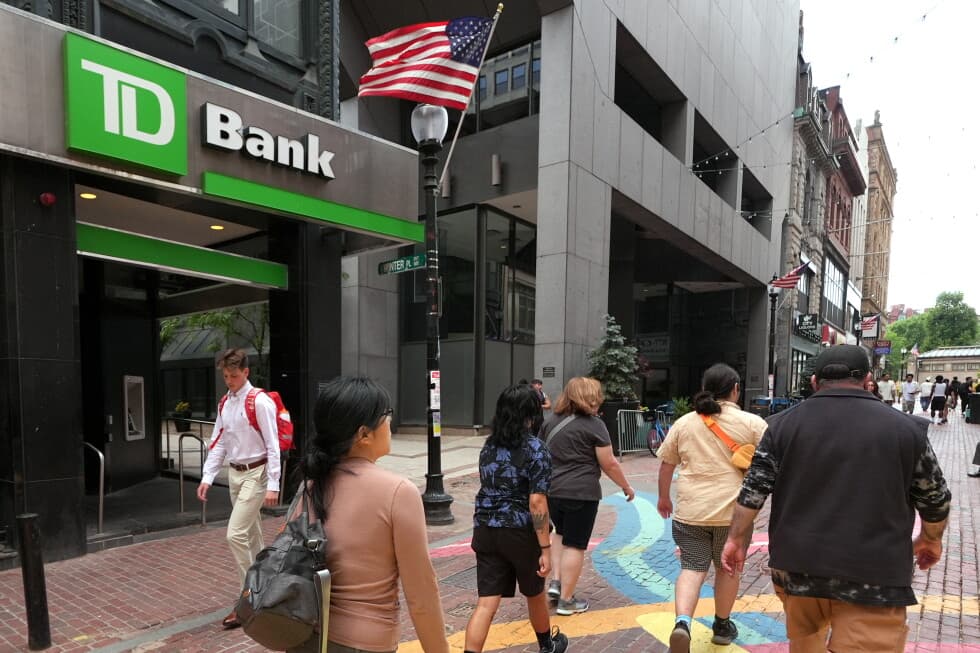
Financial regulators have taken a significant step in addressing lending practices related to individuals living in the United States illegally. On Monday, the Trump administration announced new guidance aimed at reminding banks of their obligations under "know-your-customer" regulations. This move is part of a broader effort to ensure that financial institutions are vigilant in their lending practices and are not inadvertently providing services to individuals who do not have legal residency status.
New Guidance for Financial Institutions
The guidance emphasizes the importance of thorough customer verification processes. Banks are being urged to enhance their due diligence when it comes to identifying the legal status of potential borrowers. This includes implementing stricter protocols for verifying identification and residency documentation. Regulators are concerned that lax lending practices could expose financial institutions to significant risks, including potential legal repercussions and financial losses.
As part of this initiative, regulators are also encouraging banks to engage in training programs for their staff to better understand the implications of lending to individuals without legal status. The guidance is expected to have a profound impact on how banks approach lending, potentially leading to more conservative lending policies and practices moving forward.
Implications for Borrowers and Banks
The implications of this guidance extend beyond just regulatory compliance; they also affect individuals seeking loans. Those who may not have legal residency status could find it increasingly difficult to access credit, which may limit their ability to secure housing, start businesses, or manage unexpected expenses. This could further exacerbate financial disparities among undocumented individuals.
For banks, adhering to this new guidance will require a careful balancing act. While they must comply with regulatory expectations, they also need to consider the potential impact on their customer base and overall business operations. The financial sector is bracing for changes that may reshape the landscape of lending, particularly in communities with significant populations of undocumented residents.