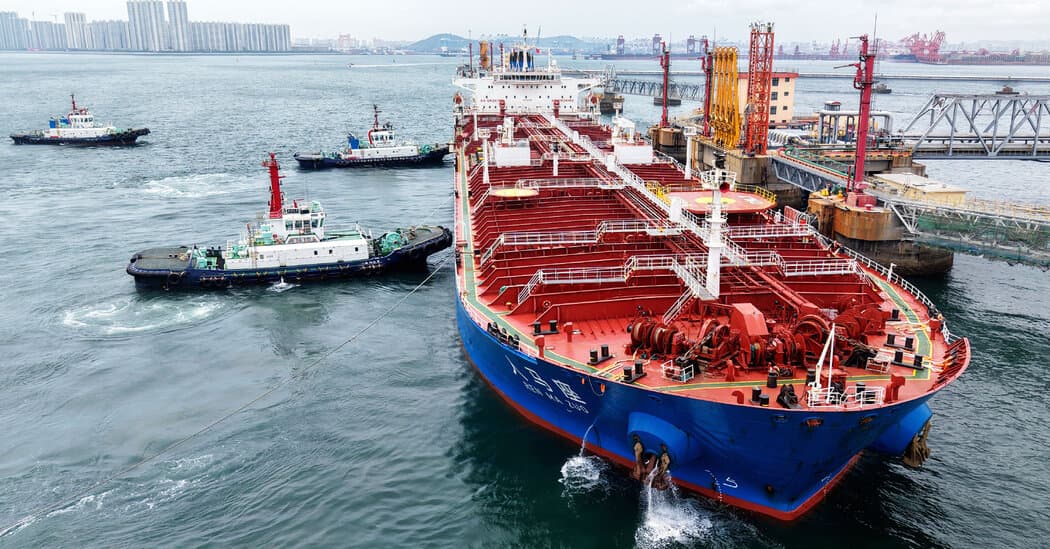
Concerns Rise Over Oil Prices Amid U.S.-Iran Tensions
As tensions between the U.S. and Iran continue to evolve, analysts are closely monitoring the potential impact on global oil prices. The ongoing situation has raised questions about whether oil prices may soar, with much of the focus shifting to China's role as a major player in the market.
For years, the Organization of the Petroleum Exporting Countries (OPEC) has wielded significant influence over oil production levels and, consequently, pricing. However, recent developments suggest that China's status as the world's largest oil importer is reshaping the dynamics of the market. With its vast demand for energy resources, China holds substantial power in determining oil prices, which could complicate the effects of geopolitical tensions.
China's Influence in the Global Oil Market
As the largest consumer of oil, China's purchasing decisions can have a ripple effect on global markets. The country's economic growth and energy needs play a crucial role in shaping oil demand. Should the U.S.-Iran truce fray further, and if China continues to ramp up its imports, analysts predict that this could lead to increased volatility in oil prices.
The interplay between U.S.-Iran relations and China's import strategies highlights the complexities of the global oil market. While OPEC's production levels remain a key factor, the growing influence of China suggests that its actions may be equally, if not more, critical in determining future oil price trends. As such, market watchers will be keeping a close eye on developments in both geopolitical tensions and China's energy policies in the coming weeks.