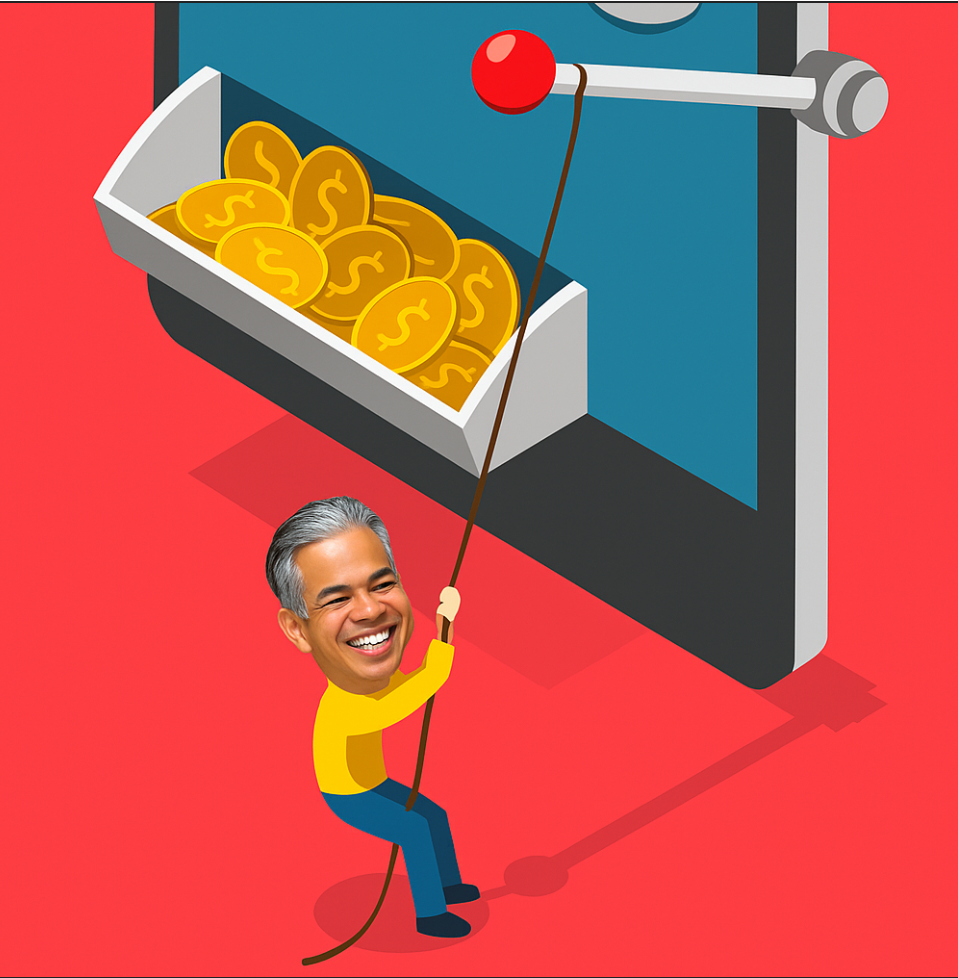
California Attorney General Rob Bonta has announced a ban on blackjack games at cardrooms, a decision that marks the latest development in the ongoing tension between state-regulated cardrooms and tribal casinos. This move has been characterized as part of a broader trend of regulatory changes that have unfolded over the past decade, significantly impacting the gambling landscape in the state.
Impact on Cardrooms and Tribal Casinos
The ban on blackjack is seen as a strategic effort to bolster the competitive position of tribal casinos, which have long argued that cardrooms operate under less stringent regulations. According to Los Cerritos Community News, the ban is intended to level the playing field and ensure that all gambling establishments adhere to the same standards. Tribal casinos have historically generated significant revenue for both their operations and local governments, and this latest regulation could further enhance their market dominance.
Supporters of the ban argue that it will help protect the integrity of gambling in California, ensuring that all forms of gaming are regulated uniformly. However, cardroom operators contend that this move could threaten their livelihoods, as blackjack is one of the most popular games among patrons. The economic implications of this decision are likely to reverberate throughout the industry, affecting jobs and revenue streams in cardrooms across the state.
Ongoing Regulatory Challenges
This ban is part of a larger narrative involving pay-to-play dynamics that have characterized California's gambling scene for years. The relationship between cardrooms and tribal casinos has been fraught with disputes over regulations, revenue sharing, and market access. As state officials continue to navigate these complexities, the blackjack ban represents a significant shift in the regulatory approach to gambling in California.
As the situation evolves, stakeholders from both sides are expected to voice their opinions and potentially seek legal recourse. The outcome of this ban and its enforcement will likely set important precedents for future gambling regulations in the state, highlighting the ongoing struggle for balance between state interests and tribal sovereignty.