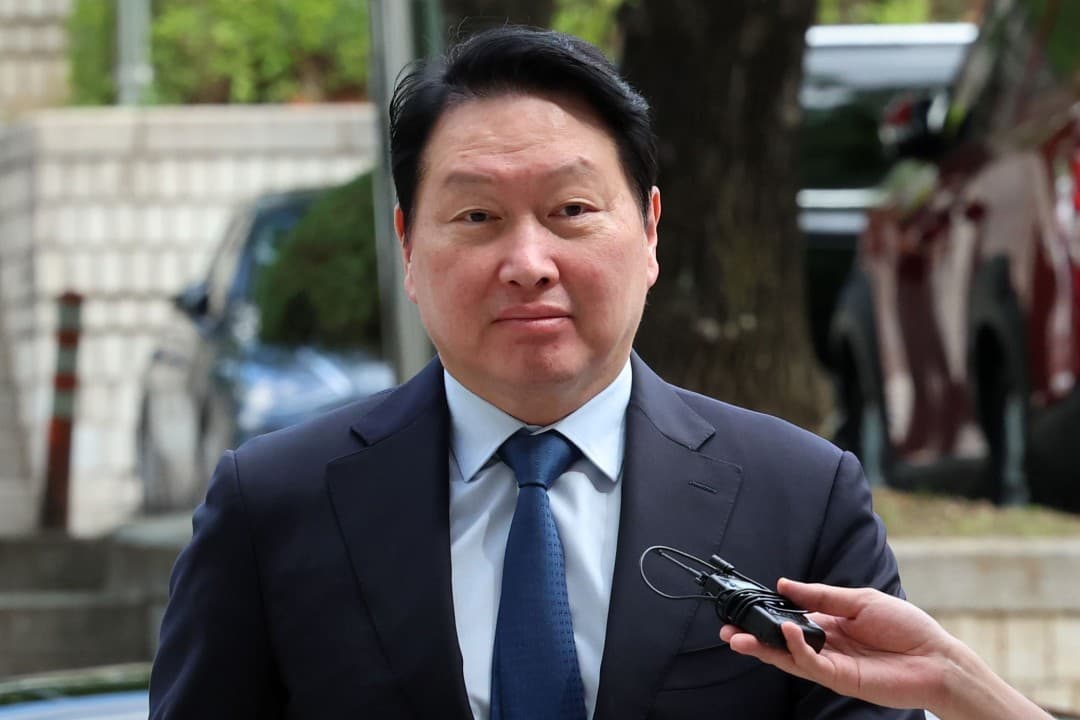
In a landmark ruling, South Korea's most publicized divorce concluded with a staggering financial settlement. An appeals court announced on Friday that Chey Tae-won, the billionaire chair of SK Group, will pay his ex-wife a total of $645 million as part of their divorce settlement. This case has garnered significant attention, both for its high-profile nature and the substantial payout involved.
Details of the Settlement
The ruling marks one of the largest divorce settlements in South Korean history, reflecting the immense wealth accumulated by Chey Tae-won through his leadership of SK Group, a major player in the technology and telecommunications sectors. The court's decision comes after a lengthy legal battle that highlighted the complexities of asset division in high-net-worth divorces. The financial arrangement was reached following an appeal, underscoring the contentious nature of the divorce proceedings.
Chey and his ex-wife, who have been in the public eye throughout their marriage and subsequent separation, have faced intense media scrutiny. The settlement not only affects their personal lives but also has implications for the business community in South Korea, where high-profile divorces often spark discussions about wealth distribution and gender equity in financial settlements.
Implications for Future Cases
This case may set a precedent for future divorce settlements in South Korea, particularly in cases involving significant wealth. Legal experts suggest that the ruling could influence how courts approach asset division, especially when it comes to balancing the financial interests of both parties. As societal attitudes toward divorce and gender roles continue to evolve, this case could be a pivotal moment in shaping legal standards in the country.
As the dust settles on what has been dubbed the "Divorce of the Century," both parties are expected to move forward with their respective lives and careers. The significant payout reflects not only the personal stakes involved but also the broader economic factors at play in South Korea's rapidly changing landscape.