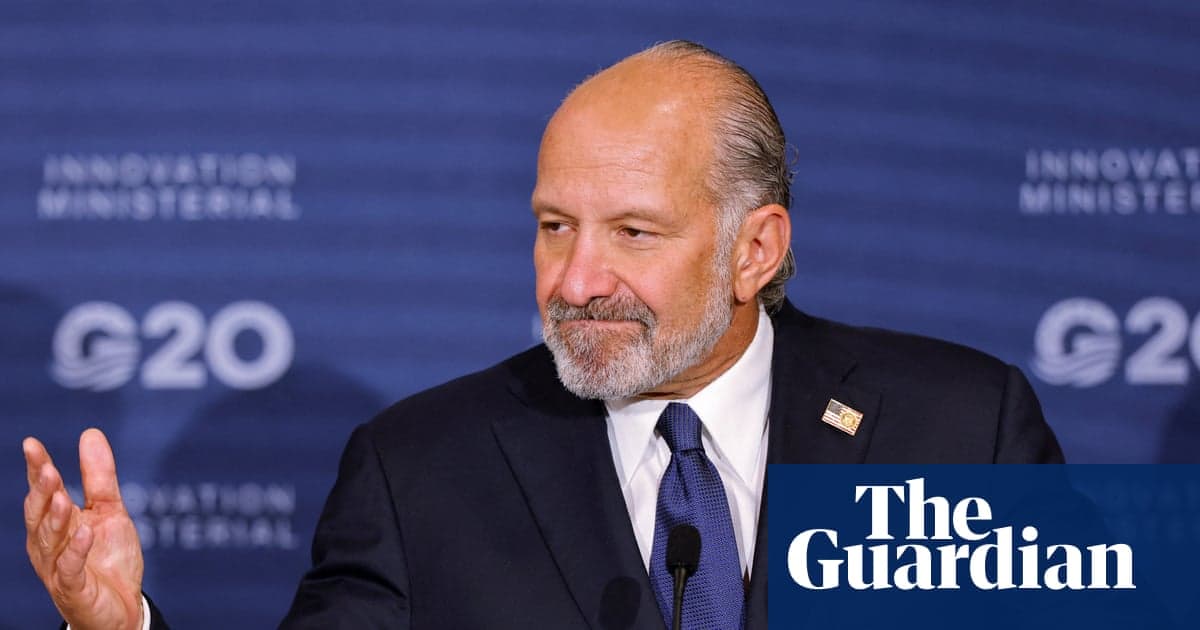
The prospect of a $5,000 dividend for U.S. adults proposed by some Republican candidates may not be feasible if the party wins control in the upcoming midterm elections, according to remarks made by the U.S. Commerce Secretary. This statement raises questions about the funding mechanisms for such a large-scale financial initiative.
Funding Challenges for Proposed Dividend
In a recent discussion, the Commerce Secretary highlighted that the estimated $1 trillion required to implement the proposed checks to all U.S. adults would not be primarily funded through taxes. Instead, Lutnick suggested that a significant portion of the funding, approximately $500 billion, could potentially be generated through a new visa program aimed at attracting foreign talent and investment.
This assertion presents a complex financial picture, as the proposed visa program would need to generate substantial revenue to support the dividend initiative. Critics of the plan have raised concerns about the sustainability and practicality of relying on such a program, particularly in the context of existing immigration debates and economic conditions.
Political Implications
The comments from the Commerce Secretary come at a crucial time as the midterm elections approach, with both parties vying for control of Congress. The idea of a $5,000 dividend has garnered attention as a potential economic stimulus, but its viability remains uncertain amid ongoing discussions about fiscal responsibility and government spending.
As voters prepare to head to the polls, the implications of this proposed dividend and its funding sources will likely be a topic of debate among candidates and constituents alike. The outcome of the midterms could significantly influence the direction of economic policy and the feasibility of ambitious financial proposals in the near future.