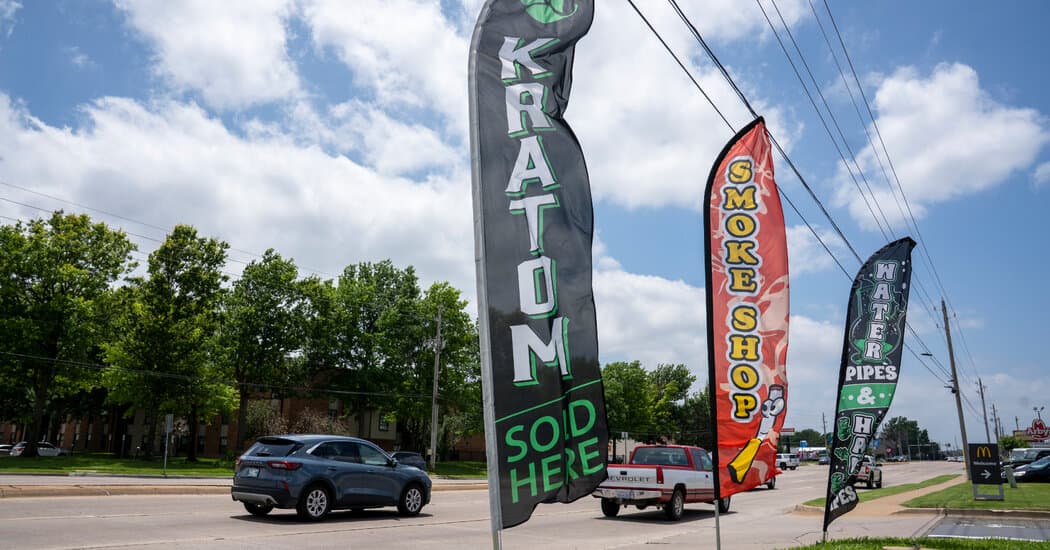
The Trump administration has taken a significant step that could benefit certain botanic supplement manufacturers by moving to ban a potent synthetic version of kratom. This decision has been met with enthusiasm from those within the supplement industry who have been lobbying for such a change.
Implications for the Supplement Industry
, the administration's action is seen as a strategic win for companies that produce rival products to kratom. These manufacturers have been vocal in their support for the ban, arguing that the synthetic variant poses health risks and undermines the safety of the supplement market. By restricting this version of kratom, the administration has opened the door for increased sales of alternative supplements that do not carry the same controversies.
The move has raised questions about the future of kratom itself, a plant-based substance that has gained popularity for its purported pain-relieving and mood-enhancing properties. Advocates for kratom argue that it is a natural remedy that should not be banned, while opponents point to potential dangers associated with its use. The administration's decision highlights the ongoing debate surrounding the regulation of herbal supplements and their derivatives.
Lobbying Efforts and Industry Dynamics
, the lobbying efforts from rival supplement makers have been instrumental in shaping this policy change. These companies have invested significant resources to advocate for tighter regulations on kratom, emphasizing the need for consumer safety. The outcome of this decision may not only affect the market dynamics for kratom but also signal a shift in how the government approaches the regulation of herbal products.
The implications of this ban could resonate throughout the supplement industry, potentially leading to increased scrutiny of other herbal substances. As the landscape continues to evolve, stakeholders are closely monitoring how these regulatory changes will impact their businesses and the choices available to consumers.