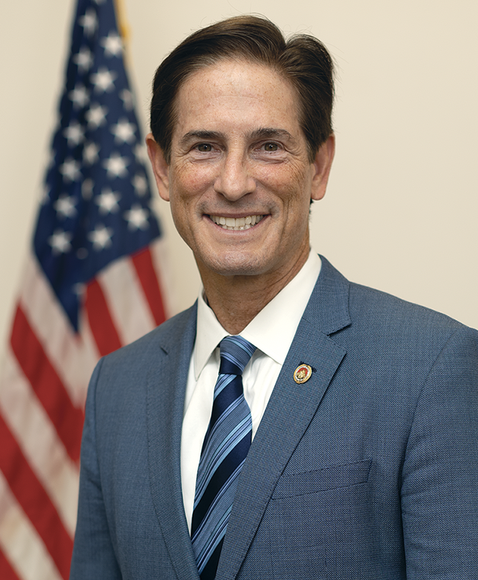
The ongoing litigation surrounding Central Basin Municipal Water District's former general manager, Tony Rojas, has raised questions about the involvement of Los Angeles County District Attorney Nathan Hochman. The legal battles have reportedly cost taxpayers nearly $465,000, prompting scrutiny of the district attorney's office and its handling of the case.
Taxpayer Concerns Over Legal Costs
According to reports from Los Cerritos Community News, the financial burden of the litigation has become a significant concern for residents and local officials. The amount spent thus far highlights the potential impact on public funds and raises questions about the effectiveness of the legal strategies employed by the district attorney's office. Critics argue that the prolonged nature of the case could lead to even higher costs if it continues without resolution.
The situation has led to calls for greater transparency from Hochman regarding his office's involvement and decision-making processes in this matter. Many residents are seeking clarity on why the case has dragged on for so long and what steps are being taken to mitigate further expenses. The public's frustration is palpable, as they feel the financial implications of the litigation could have been avoided with more decisive action.
Future Implications for the District Attorney's Office
The ongoing scrutiny of Hochman's role in the Rojas litigation could have lasting implications for his office. As taxpayers express their concerns, the district attorney may face increased pressure to provide answers and justify the expenditures associated with the case. This situation serves as a reminder of the importance of accountability in local government and the need for elected officials to prioritize the responsible use of taxpayer dollars.
As the litigation continues, the community remains hopeful for a resolution that will not only address the legal issues at hand but also restore public confidence in the district attorney's office. The outcome of this case could potentially influence future legal strategies and budget considerations for the office, making it a critical issue for both local leaders and residents alike.