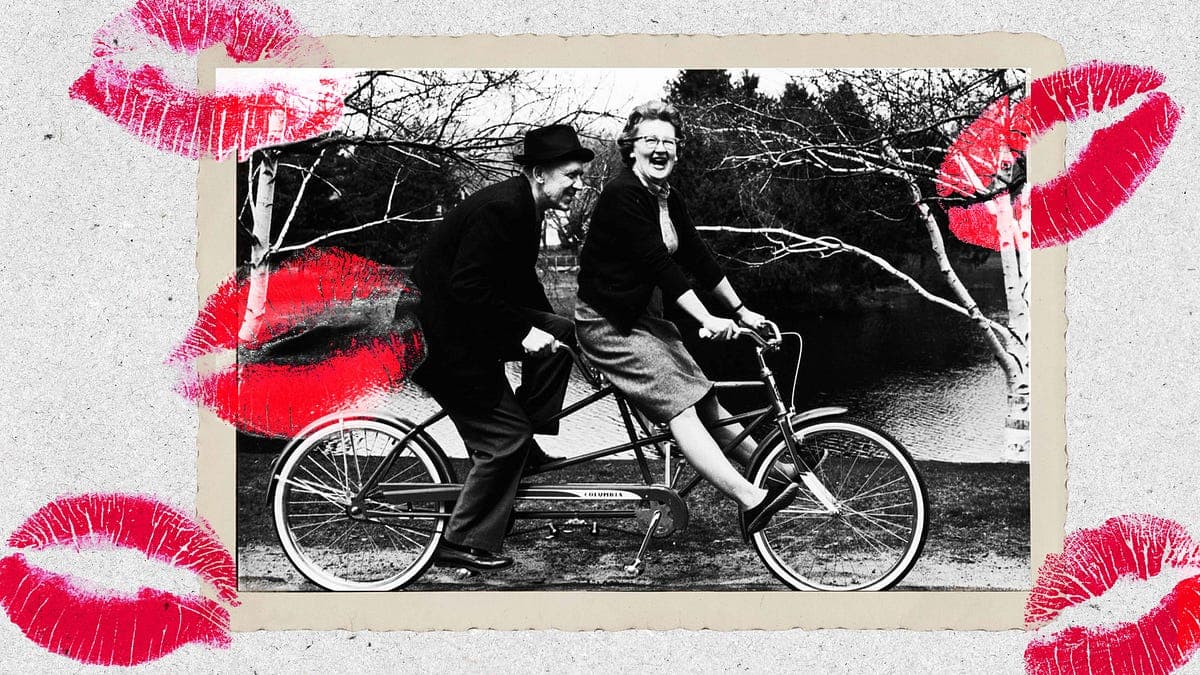
In a surprising cultural observation, the behaviors and lifestyles of the Baby Boomer generation continue to challenge traditional expectations as they age. This phenomenon has sparked discussions about the evolving identity of older adults, particularly in how they engage with leisure activities and relationships in their later years.
Changing Norms Among Seniors
As societal norms shift, many in the Baby Boomer generation are redefining what it means to grow older. Reports suggest that rather than adhering to conventional retirement lifestyles, many Boomers are embracing a more liberated approach to life. This includes exploring new hobbies, engaging in social activities, and even experimenting with substances that were once stigmatized. The idea of aging has transformed, with many seniors opting for a lifestyle that prioritizes enjoyment and personal fulfillment.
This trend raises questions about the expectations placed on older adults. While previous generations may have been expected to settle into quieter, more reserved lives, today's seniors appear to be rejecting these norms. The notion of "growing up" seems to be redefined, with many Boomers choosing to live life on their own terms, often leading to surprising revelations about their personal lives and choices.
Impact on Family Dynamics
The impact of these changes is felt not only by the individuals themselves but also within family dynamics. Younger generations are often taken aback by the newfound freedoms their parents and grandparents are embracing. This shift can lead to both humorous and challenging conversations about lifestyle choices, relationships, and health. As Boomers continue to engage in activities that defy age-related stereotypes, families may need to navigate complex feelings surrounding their loved ones' choices.
Ultimately, the ongoing evolution of the Baby Boomer lifestyle raises important discussions about aging in contemporary society. As they continue to challenge norms, these individuals are paving the way for future generations to approach aging with a more open mindset, emphasizing the importance of living life fully at any age.